

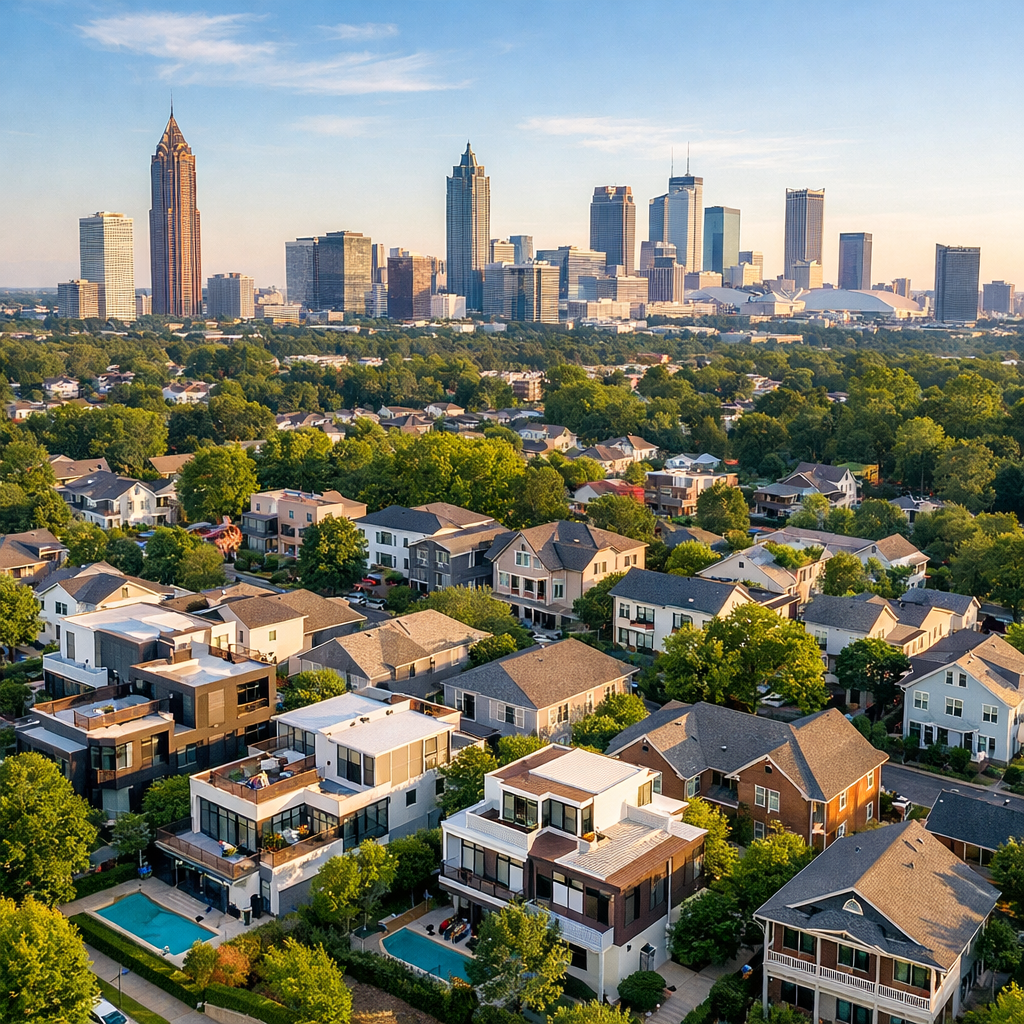
Atlanta’s housing market is undergoing notable transformations, influenced by fluctuating prices, evolving inventory levels, and ambitious development initiatives. Understanding these dynamics is crucial for prospective buyers, sellers, and renters navigating the city’s real estate landscape.
Market Trends: Prices and Inventory
Recent data indicates a stabilization in home prices within the Atlanta metropolitan area. As of February 2026, the median sale price stood at $392,000, reflecting a modest 0.5% increase from the previous year. This suggests a balanced pricing environment, offering opportunities for both buyers and sellers. Concurrently, the market has experienced a significant expansion in housing inventory. Active listings reached 29,995 in February, marking a 19.8% year-over-year increase. This surge in available properties provides buyers with a broader selection and may contribute to a more competitive market landscape.
Rental Market Dynamics
The rental sector has also seen shifts, with median rents in metro Atlanta experiencing a slight decline. In February 2026, rents decreased by 0.9% compared to the same month in 2025. This trend aligns with broader patterns observed across the Southern and Mountain West regions, where increased construction activity has contributed to easing rent prices. Despite this decline, it’s noteworthy that renting remains marginally more affordable than homeownership in Atlanta, offering viable options for residents seeking flexibility.
Development Projects: Addressing Housing Needs
Atlanta is actively pursuing development projects to meet the growing demand for affordable housing. Notable initiatives include:
Herndon Square
Located in the former Herndon Homes area, Herndon Square is a mixed-use, mixed-income redevelopment project. The development plans to offer approximately 713 residential units, including 584 rental units (with 40% reserved for households earning less than 80% of the area median income), 97 affordable senior housing units, and 32 homeownership units. The project also envisions community-focused amenities such as a health and wellness center and retail spaces, including a grocery store. Phase I, comprising 97 affordable senior units, began leasing in Spring 2021, with subsequent phases underway.
Englewood Manor
Englewood Manor is a substantial redevelopment project aiming to deliver 828 rental units, with approximately 50% designated as affordable for households earning up to 80% of the area median income. Additionally, the project includes 80 single-family and townhome for-sale units, with a minimum of 20% affordability. The development emphasizes green infrastructure, featuring public trails, greenspace, and connectivity to the surrounding Chosewood Park neighborhood and the Atlanta BeltLine. Infrastructure development was completed in May 2023, with housing development phases scheduled through December 2025.
Sylvan Hills II
In July 2025, Atlanta Housing and its partners broke ground on Sylvan Hills II, a $52.7 million fully affordable housing development in Southwest Atlanta. The project aims to provide 233 new affordable apartments and townhomes on a 10.2-acre site, addressing the city’s pressing need for affordable housing options.
Conclusion
Atlanta’s housing market is characterized by a delicate balance of stabilizing prices, increasing inventory, and proactive development efforts. These factors collectively contribute to a dynamic real estate environment, offering diverse opportunities for residents and investors alike. Staying informed about these trends is essential for making strategic decisions in Atlanta’s evolving housing landscape.