

By Olivia Williams
Atlanta is in the midst of an ambitious transformation. In recent years, voters approved a $750 million infrastructure package that blends bonds and a renewed sales tax with the goal of lifting streets, public safety, recreation, and connectivity across the city. As some projects wrap up and others break ground, residents are asking: how will those dollars touch their everyday lives, and which neighborhoods are seeing the most change?
Understanding the Investment
Approved in May 2022, the plan called “Moving Atlanta Forward” allocates funds to five major categories:
- Transportation: $460 million toward sidewalks, trails, protected bike lanes, street repair, and safe crossing zones.
- Parks and Recreation & Arts: $161.4 million to improve parks, centers, pools, and cultural assets.
- Public Safety Facilities: $92.3 million for police and fire stations, renovation, and related support infrastructure.
- District Local Funds: $36 million reserved for smaller, neighborhood-level priorities chosen by district councilmembers.
These investments are meant to lift up areas that have suffered from decades of underinvestment, especially in historic southwest, westside, and southside neighborhoods.
Where Change Is Already Visible
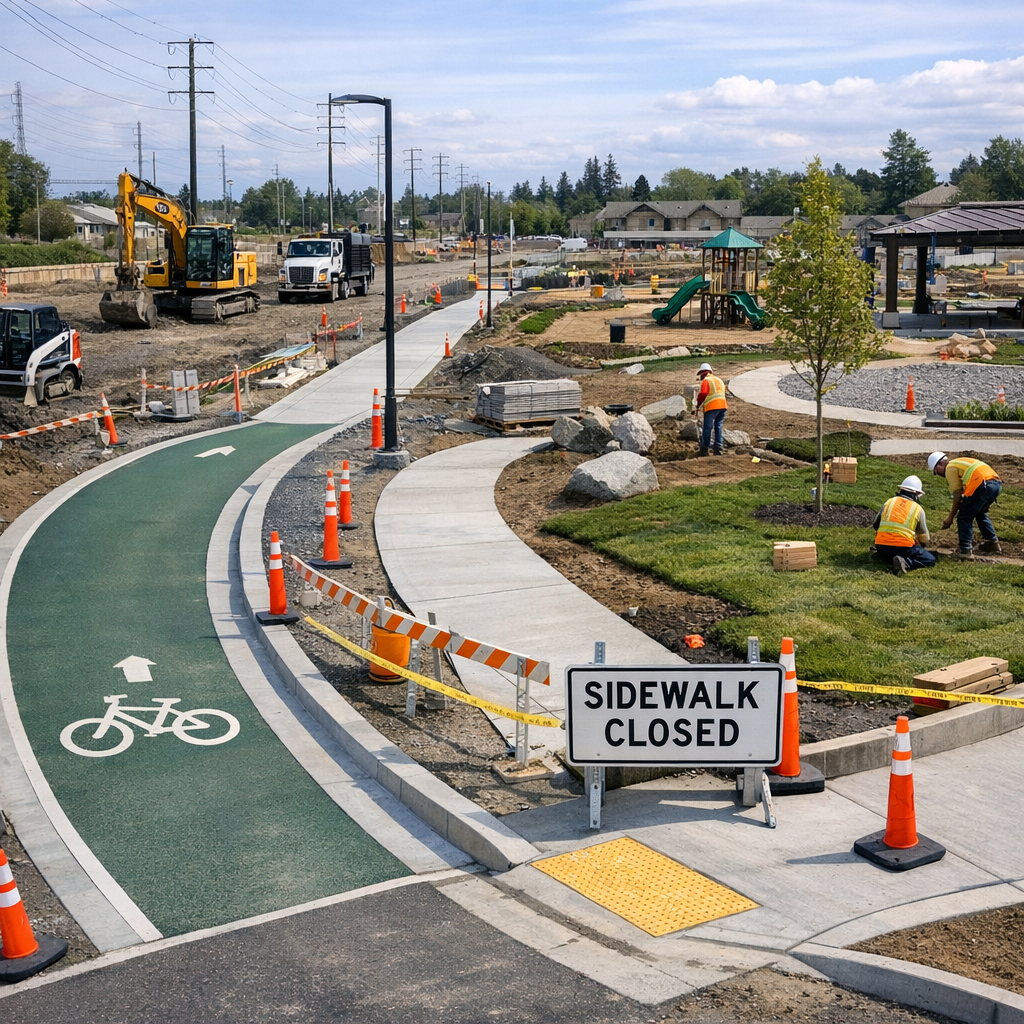
$119 million has already been invested across multiple projects citywide. Transportation improvements have included repairing bridges (Cheshire Bridge Road), resurfacing roads like Mt. Paran and Blackland, and implementing safety measures for pedestrians and cyclists.
Meanwhile, the Stitch project aims to solve one of Atlanta’s longest-standing infrastructure challenges: the physical and symbolic barrier created by I-75/I-85 through downtown. Once completed, The Stitch will add nearly 17 acres of new public green space atop a platform over the Downtown Connector, reconnecting neighborhoods and improving access to transit and gathering spaces.
Affordable Housing and Equitable Growth
Along Metro areas and transit hubs, the Beltline is leading examples of infrastructure acting as more than just roads and trails. A recent project near Lindbergh MARTA station is preserving affordable housing, helping residents stay close to transit and jobs.
The livable centers grants and updates to master plans across Buckhead, Sweet Auburn, and Candler Road are paired with ARC’s larger push to fund walkable, multimodal communities. These programs tie infrastructure spending to long-term goals like air quality, access to jobs, and racial equity.
Challenges & Community Concerns
Despite progress, some community members want clearer timelines and better communication. Delays in completing sidewalk repairs and ambiguity about when certain amenities will arrive—especially in neighborhoods with less political visibility—are frequent complaints.
Another tension comes around policing and public safety versus investment in social infrastructure. Atlanta’s fiscal year 2027 budget increased the police department’s funding, even as park, recreation, and transportation departments saw smaller growth or cuts. Some argue more money should go to crisis intervention, mental health services, and non-enforcement solutions.
What’s Coming Next
Neighborhoods can expect continued roll-outs under the Moving Atlanta Forward plan: more trails, safer intersections, improved park amenities, and investments tailored by local councilmembers as district priorities.
Later phases of The Stitch will bring construction between Ted Turner Drive and Piedmont Avenue. Keep in mind many of these are multi-year efforts: design, engineering, and community input take time, and some delays are possible.
How You Can Engage
- Watch City Council agendas—transportation, parks, and planning committees often preview upcoming work.
- Attend public meetings around master plans and neighborhood capital improvement elements (CIEs); these influence where impact fees go.
- Reach out to your district councilmember to suggest restoration of amenities, promote safety upgrades, or urge inclusion of social infrastructure.
Atlanta’s infrastructure push is reshaping parts of the city in ways that have long been overdue. While change won’t be instant everywhere, projects underway show where strategic investments can make a real difference for everyday life—especially for those too often left behind.